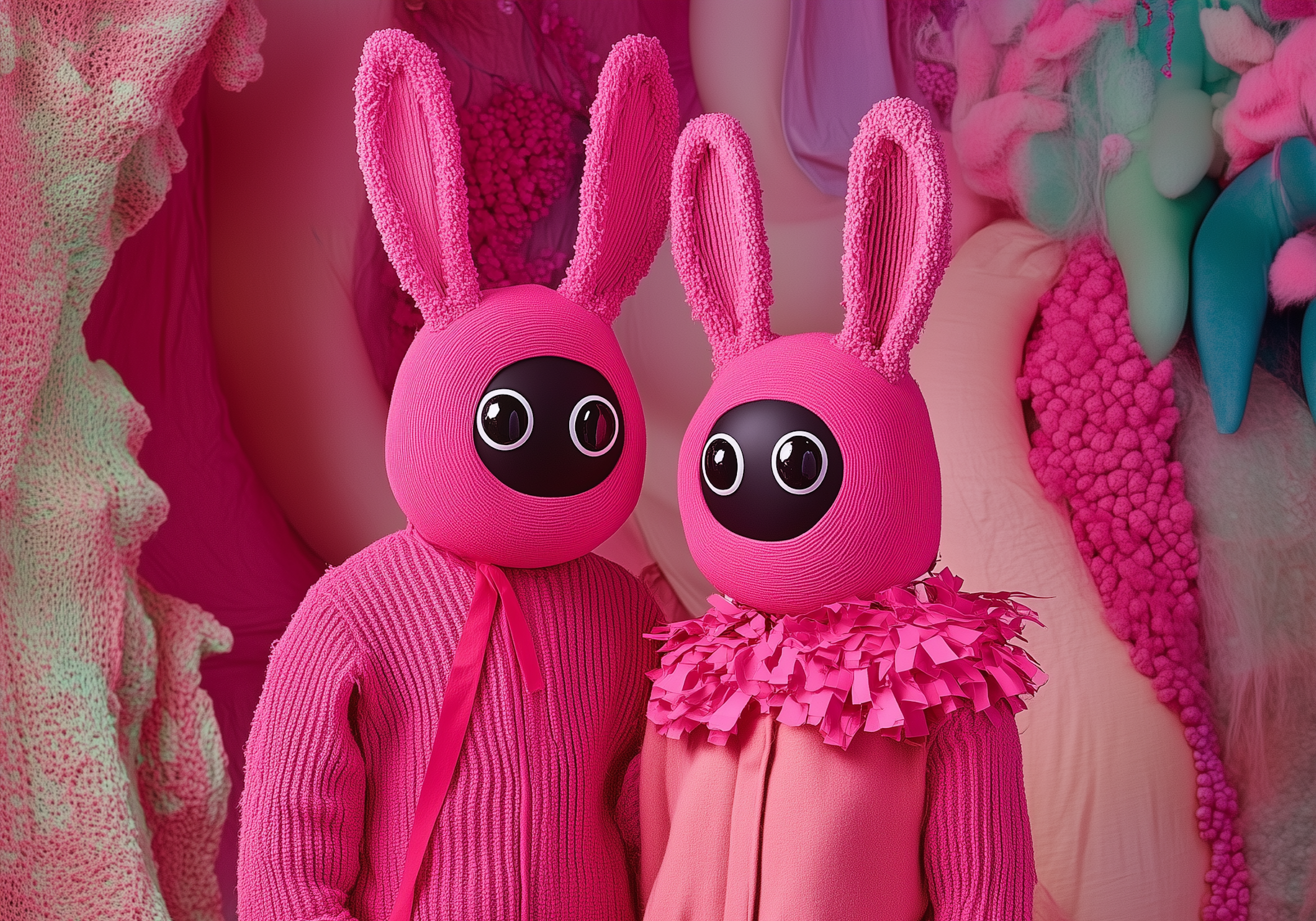
It has been years since Web3 branding spoke to one persona: the degen. This is an early crypto user who was speculative, risk-tolerant, culturally fluent, and ready to enter chaos. Branding reflected that energy, loud colors, meme aesthetic, playful mascots, ironic tone, and the assumption that users already “got it.”
But that was a different landscape. The next wave of Web3 adoption isn't going to come from the degens on Telegram, but from devs, enterprise institutions, creators, gamers, brands, and the mainstream. These expect the same clarity and professionalism they get from Big Tech. Users aren't here for memes, but for value.
And yet, too many Web3 brands are still communicating as if it's 2021, willfully ignoring that their audience has dramatically evolved. If you want serious adoption, your brand needs to evolve with it.
Web3 Branding is stuck in its Past
Crypto's visual language was determined by speculation cycles. During bull markets, attention matters more than clarity, and meme-driven communication would yield instant traction. But this created three persistent problems:
Missaligned Tone: The use of playful, ironic language suggests immaturity to developers and enterprise that are considering adopting a protocol.
Poor UX: In the current form, especially assuming that users understand wallet flows, signing, bridging, and gas fees excludes non-experts.
Lack of Trust: Memes don’t reassure institutions or regulators who need transparency and risk clarity.
The mismatch between outdated branding and today's user needs creates friction that slows down adoption.
New Users of Web3
You have to understand who your real users are today, and what they want out of a modern protocol to design effectively.
Developers: What developers want is documentation, diagrams, clarity of architecture, tooling, and examples-not hype. Loyalty for developers is based on understanding and logic.
Enterprises & Institutions: Enterprise & Institutions value security, compliance, scalability, and clarity on risk. Branding must communicate maturity.
Mainstream Users: They want intuitive UX, human language, patterns they understand, and safety signals.
Creators & Brands: They care about 'integratability' and the storytelling opportunity, not crypto slang.
Gamers: They want seamless onboarding, interoperability, and performance-not market memes.
Branding needs to move away from the hype-driven culture of talking and towards trust-driven communication. Which doesn't mean losing creativity, just using creativity more strategically.
1. Tone Must Shift from Ironic to Credible
Web3 brands often lean into snark, humor, and insider language. Still, the new user wants:
Direct explanations
Transparent messaging
Predictable language
Enterprise-friendly terms
Tone becomes a signal of reliability. You don’t have to sound corporate — you need to sound competent.
2. The Visual Identity Needs to Mature
Bright neons, mascots, and meme-y symbols limit your capacity to attract serious users. For a Web3 brand to be modern, it needs:
Cleaner typography
Layered colour systems
Iconography that scales
Diagram-based communication
Visual grammar for technical explanation
Visual maturity is perceived product maturity.
3. UX needs to lead: Not assume.
We took so much for granted with the degen mindset; we assumed the user knew how to use a wallet and fix common errors. A new user does not. The UX must:
Explain signing flows clearly.
Highlight Risks with Visual Consistency
Guide the user through onboarding.
Provide context behind transactions
Bridging and staking simplified; swapping across supported chains
This isn't "extra polish" anymore; it's actually critical brand design.
4. Branding Must Support Multi-Audience Communication
In the early days of Web3, everyone spoke the same cultural language. Today, ecosystems can serve more than one audience simultaneously. Branding must flex:
Playful edges for community
Explanations for developers in plain words.
Serious Messaging for the Enterprise
Regulatory-friendly communication for institutions
One brand cannot speak in a single voice anymore; it needs a controlled, multi-mode communication system.
5. Culture Doesn’t Need to Die, It Needs Repositioning
Culture matters. Memes matter. Community matters. But they don't belong at the core of the brand. Healthy brands put playfulness at the edges:
Social content
Events
Contributors
Community kits
Merch containers
This protects the brand, yet keeps the culture alive.
Realign Your Brand with Today’s Web3 User
User Segmentation Audit: Find out who your brand is talking to, and who it should talk to next.
Map Tone & Visual: Gaps Determine what aspects of your brand feel immature, vague or misaligned.
Build a Layered Brand System: Create distinct modes for community, developers, and enterprise.
Have Priority for Educational Visuals: Use of diagrams, animation, and metaphors to explain a complicated system.
Strengthen Trust Cues: Use consistent patterns for warnings, confirmations, transactions and signatures.
Evolve Without Alienating Early Supporters: Keep cultural elements alive — but outside the primary corporate identity.
Degens brought Web3 into being, but they won't bring the next 100 million users. This new Web3 audience demands clarity, credibility, maturity, and trustworthy design. Protocols that continue to speak only to early adopters will stay niche. Those who adapt their branding to reflect today's user landscape have the opportunity to shape the next era of decentralized technology.
Your brand is not just a look, but a promise.